
PALERMO NEAR US
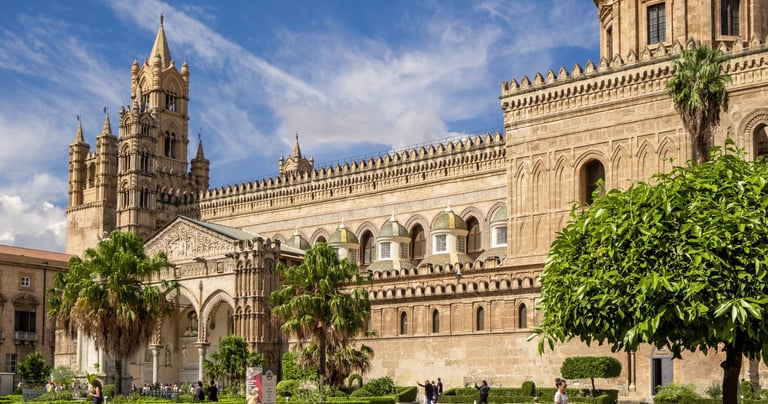
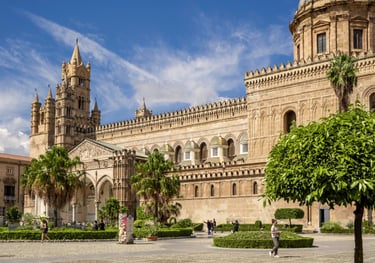
The Cathedral (10 minutes on foot)
The Cathedral of Palermo, a UNESCO World Heritage Site since 2015, is a perfect example of how art and religion blend with history to reflect the unique identity of an entire island.
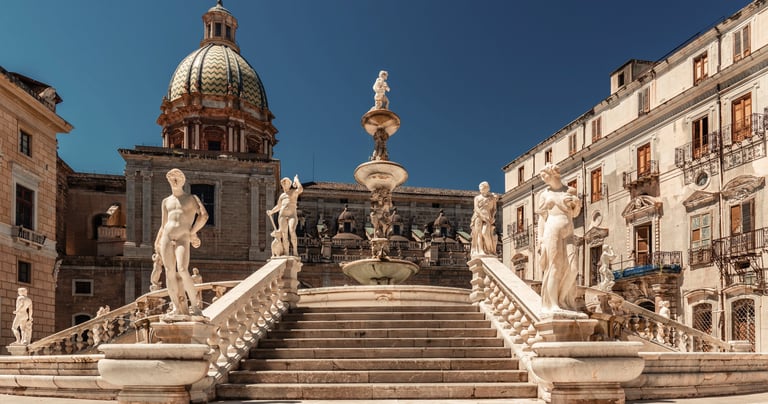
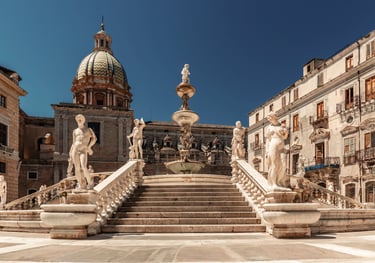
Praetoria square (18 minutes on foot)
Nicknamed the 'Fountain of Shame' (Fontana Pretoria) by locals due to the nudity of its many allegorical statues, this spectacular monument is one of the most photographed spots in the city and a true symbol of Palermo's rich artistic heritage.
Normans Palace (8 minutes on foot)
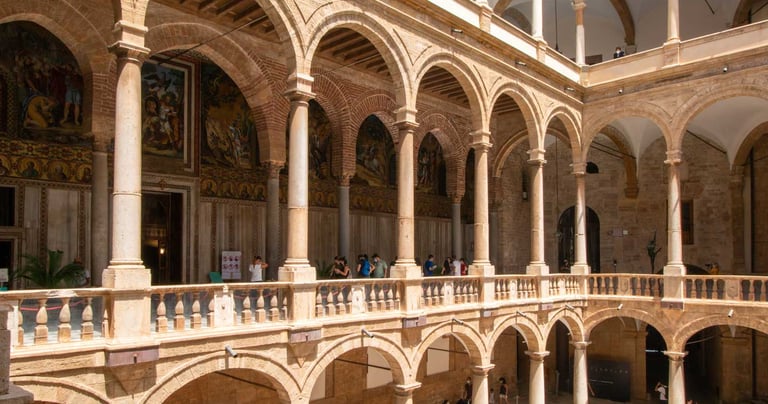
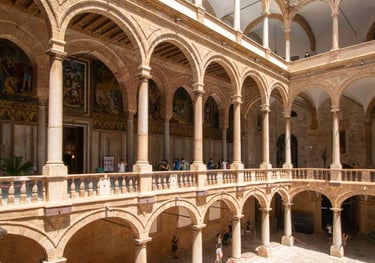
The Norman Palace is the oldest royal residence in Europe. Originally built as a fortress for Arab emirs in the 9th century, it was later transformed into a sumptuous royal court. Today, this historic landmark houses the Sicilian Regional Assembly, the oldest active parliament in the world.
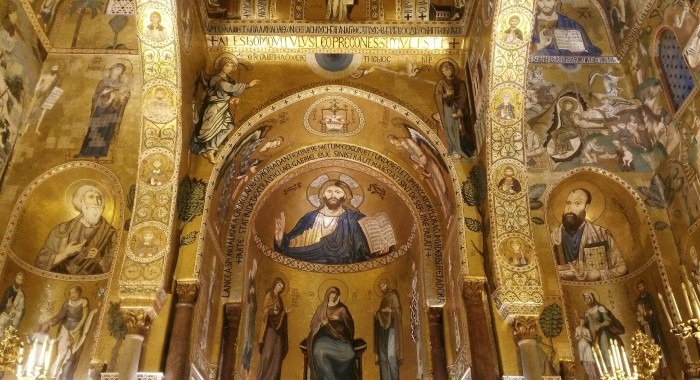
Palatine Chapel (8 minutes on foot)
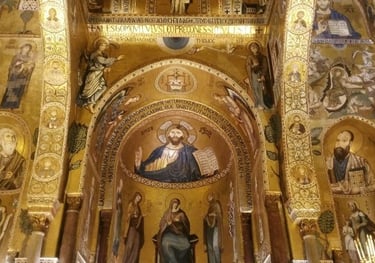
Inside the Norman Palace is La Palatina, which was the private chapel of the royal family, dedicated to St. Peter and St. Paul. A perfect example of the "Arab-Norman synthesis.
The Capuchins catacombs (15 minutes on foot)
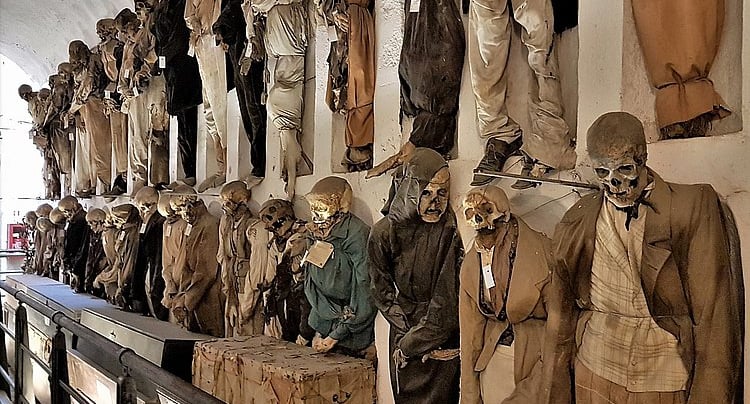
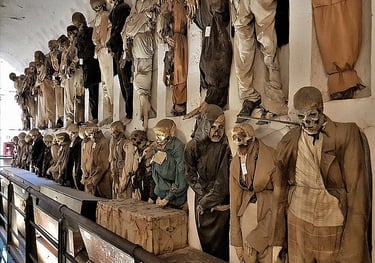
The Capuchin Catacombs offer a unique insight into the Sicilian culture of death. Originally created as a final resting place for the friars, they were later opened to the general public. Today, thousands of preserved bodies, thoughtfully arranged by sex, age, and social status, draw visitors from all over the world each year.
San Giovanni degli Eremiti (9 minutes on foot)
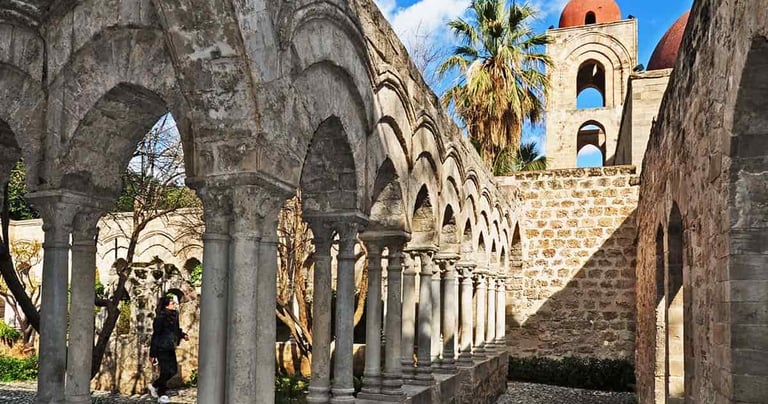
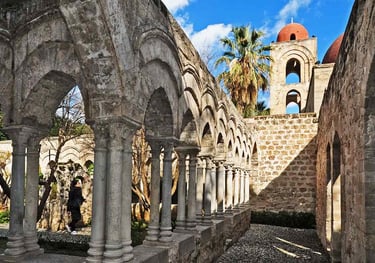
First a pagan temple, then a Byzantine monastery, and later a mosque during the Arab era, this historic site is now proudly recognized as a UNESCO World Heritage Site. Famous for its iconic five red domes, it stands as a quintessential example of Palermo's unique Arab-Norman style.
Calatafimi 133 is the address of our holiday home, named after a Sicilian town that is far more than just a dot on the map—it is a land of history and courage. Here, on May 15, 1860, the historic Battle of Calatafimi was fought, marking the first clash of Garibaldi's Expedition of the Thousand. Though modest in scale, the battle was decisive. It gave birth to the legend of the Garibaldini—men of unshakeable courage who transformed a minor skirmish into an enduring symbol of freedom. This victory ignited the spirit of the Sicilian people, fueled the revolt against the Bourbons, and cleared the path to Palermo, marking a fundamental step toward the unification of Italy.
Origins of our name Calatafimi 133
Historic markets (18 minuets on foot)
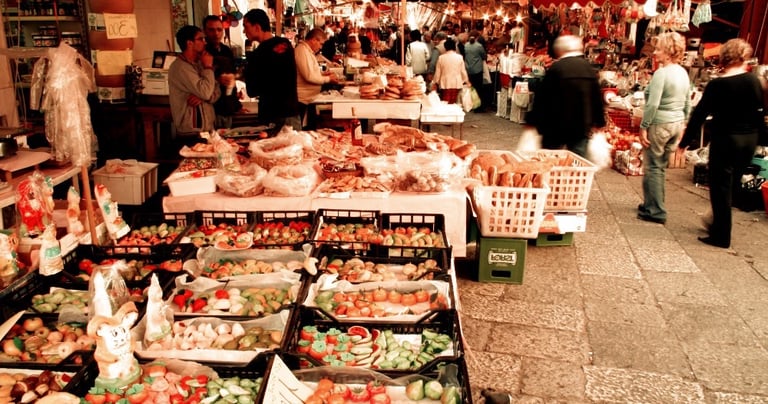
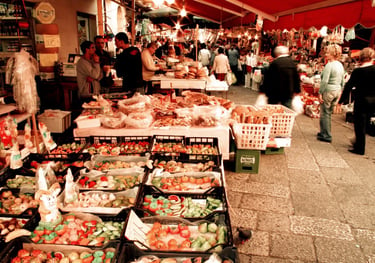
"The historic markets of Palermo, Ballarò, Vucciria, Capo, and Borgo Vecchio, are the pulsating heart of the city. They are true open-air theaters where history, culture, and gastronomic traditions seamlessly blend together.
Quattro Canti (18 minutes on foot)
The Quattro Canti, officially known as Piazza Vigliena, is one of the most iconic landmarks in Palermo. Situated at the crossroads of the historic center's two main thoroughfares, Via Maqueda and Via Vittorio Emanuele, it marks the very heart of the Baroque city.


Martorana (20 minutes on foot)
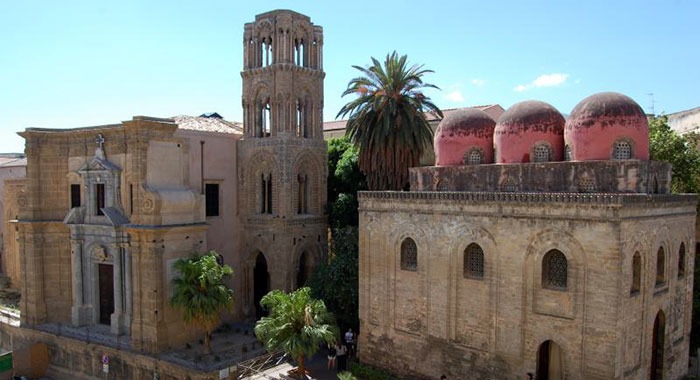
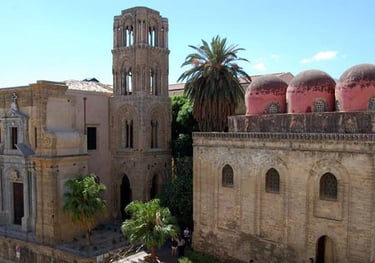
The Church of Santa Maria dell’Ammiraglio, widely known as 'La Martorana,' is a splendid example of the unique architectural fusion between Norman, Arab, and Byzantine styles.
Massimo theater (20 minutes on foot)
The Teatro Massimo in Palermo is one of the largest opera houses in Europe. Designed by architect Giovan Battista Filippo Basile, this architectural masterpiece seamlessly blends Neoclassical grandeur with stunning Art Nouveau details.


Info
© Copyright A&T 2025 - p.i. 00104080825
Corso Calatafimi, 133 - 90129 Palermo


